



What Defines the True Cost of the iPhone and Samsung Ecosystems?
The discussion about iPhone vs Samsung comparison goes way beyond basic specs or camera features. The real price of each setup comes from how the hardware, add-ons, and online services mix together to build ongoing money commitments. For folks in business looking at the full cost of keeping things running, these less obvious parts decide if Apple’s strict setup or Samsung’s more open style gives stronger value as time passes. I mean, think about it—it’s not just buying the phone once.
Hardware Pricing and Upgrade Cycles
When you look at the iPhone 17 and Samsung S26, the store price is just one piece. Apple’s prices stay pretty steady for a good while. Samsung’s gadgets lose value quicker because they release new models often. So, even if a Galaxy phone starts at a price close to an iPhone, it sells for less later on. Quick upgrade habits also push up total spending over a few years. Apple fans tend to keep their devices longer. Why? Because of the long software help that makes hardware last and cuts down on how often you replace it. Samsung has a wide range of phones, from top-end to basic ones. This gives options, but it speeds up how fast products get old.
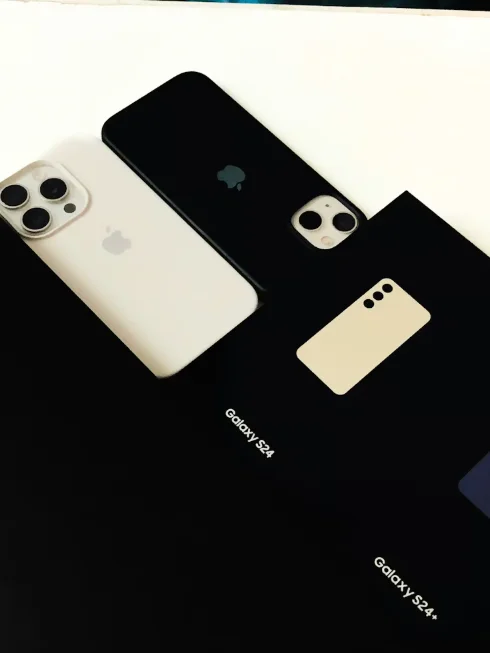
Accessory Integration and Proprietary Components
Apple’s special parts, like the Lightning connector (and now USB-C with some limits on who can make them), build a locked world for add-ons. You usually buy official or approved items to keep everything working right. Samsung sticks to common connectors. It also works well with lots of third-party add-ons. This gives more choices, but sometimes things don’t fit perfectly. In the long run, these add-on worlds turn into repeated costs. Things like cases, chargers, and earbuds pile up on top of what felt like a single buy. For example, I’ve seen people spend extra just to match their old charger with a new phone.
Service Subscriptions and Digital Ecosystem Lock-In
Apple makes money from its setup through closely linked services. These include iCloud storage, Apple Music, and TV+. They work best on Apple gear. This quietly pushes users to stay with the brand. Samsung does it another way. It teams up with Google for cloud storage and Microsoft for work tools like OneDrive or Office links. This mix-and-match style offers freedom. However, it can lead to piling up subscriptions. You end up with several small monthly bills from different places that grow without you noticing.
How Does Software Ecosystem Influence Overall Ownership Value?
The software side shapes a big part of what keeps an ecosystem strong. It touches not only speed but also how long things last, what you get back when selling, and how happy users feel over time with their devices.
Operating System Optimization and Longevity
Apple’s iOS updates hit even phones that are five years old. They bring steady speed boosts. This even update plan helps keep device worth high in used markets. Android has more pieces that don’t match up. Update times change a lot based on the maker and area. Samsung has gotten better. It promises several years of support for its top phones. But smaller models still fall behind. For company buyers or people planning ahead, this gap hits the full cost of owning directly. Take a business with old phones—delays in updates can mean extra headaches.
App Store Policies and Developer Economics
Apple sets firm rules for checking apps. This boosts safety but cuts down on how developers make money or change things. The control keeps everything the same. Yet it can slow new ideas in small areas. Samsung mainly uses Google Play for apps. It also has its Galaxy Store. This two-way setup gives more app types. But it sometimes leaves users open to uneven safety checks between stores. In the end, how well each app world runs decides how soon fresh tech gets to people. Numbers show Google Play has over 3 million apps, while Apple’s is tighter at around 2 million—variety versus control.
Cross-Device Continuity and Data Synchronization
Apple’s smooth links across gear—like switching a call from iPhone to MacBook or sharing clipboard between iPad and Watch—make a single feel. This natural tie keeps users in the fold. Samsung has made a like network. It connects Galaxy phones with tablets, watches, and Windows PCs. Apps like Quick Share or Phone Link help. For workers who handle many screens each day, this device-to-device match often counts more than plain hardware edges when picking a brand that fits their daily tasks.
Are Privacy and Security Part of the Hidden Ecosystem Costs?
Rules on privacy now act as key money factors, not just boxes to check for laws. Both Apple and Samsung put big effort into protecting data. But their ways of thinking split in clear ways. Honestly, in a world full of data leaks, this stuff feels more important every year.
Data Collection Practices and Transparency Standards
Apple treats privacy as a main brand strength. It shares little data with outsiders unless users say okay. Ads highlight on-device work for things like Siri or Face ID to cut risks. Samsung mixes custom touches with aimed ads. Its SmartThings setup pulls usage info to improve tips across linked devices. How open they are about data use shapes trust in the brand. And that trust sways business buys where following rules costs real money.
Security Update Frequency and Lifecycle Support
Steady security fixes stretch phone life a lot for iPhones. Updates come at the same time everywhere from Apple servers. Android fixes roll out based on Google’s timing and how makers adjust them. Samsung leads other Android makers in steady fixes. Still, some area versions fall behind by months. In work settings with private info, these waits turn into real costs from risks.
Third-Party App Permissions and User Control Mechanisms
Apple makes apps ask straight up for okay on touchy info like location or photos. This tight watch builds user trust. But it can annoy developers who need back access for cool features. Samsung offers good control over permissions too. Yet it follows Android’s base rules. So, how well it’s enforced changes with app updates or area settings.
How Do Repairability and Sustainability Affect Total Cost?
Hardware toughness now covers more than just not breaking easily. It includes how easy fixes are and promises on green practices that touch money over the whole life.
Component Availability and Authorized Service Models
Apple keeps a firm hold on spare parts. They go only to approved fix shops. This guarantees quality but jacks up fix prices after warranty ends. Shops on their own can’t get real parts easily unless they join Apple’s program. Samsung lets parts spread wider around the world. But it runs into problems when non-official fixes use fake materials that hurt reliability later.
Device Longevity Through Material Design Choices
Both firms spend a lot on high-end stuff like aluminum frames or ceramic covers that fight wear. Yet these make taking apart for fixes harder. Designs that let you swap parts, like batteries, could help green goals. But they stay rare because of needs for water resistance or looks that match across lines.
Environmental Policies and Recycling Programs Integration
Apple has recycling loops that close on themselves. Robots like Daisy pull rare elements from old iPhones fast. This cuts smoke per item made each year. Samsung pushes recycling nets worldwide too. But how deep it goes changes by area, based on how ready the setup is there. For instance, in Europe, their programs hit higher marks than in some parts of Asia.
Does Brand Perception Influence Ecosystem Value Retention?
Next to tech details sits the pull of feelings. This unseen force drives steady choice among buyers picking between iPhone 17 vs Samsung S26 over years.
Market Positioning and Consumer Loyalty Dynamics
Apple keeps an air of specialness with steady looks across all its gear. Every touch feels planned to boost the top-shelf feel. Samsung sees itself as forward in tech. It tests limits in screen light or foldable designs. This draws in groups from trend-setters who want new things over show-off status.
Resale Market Stability Across Product Generations
In the past, iPhones sell used for more cash. Buyers expect set upgrade times each fall. This makes steady want for older Pro types that still get updates. Galaxy lines drop value faster, even with good hardware. Quick new releases and wide splits water down pull for collectors.
Emotional Branding Versus Functional Differentiation
For lots of users, picking Apple matches their way of life, not just specs. Holding an iPhone joins a story of creation, ease, and smooth ties among devices. Samsung highlights real wins in speed, camera range, and multi-task skills. This pulls in folks who think more with facts.
How Do Regional Market Strategies Affect Ecosystem Accessibility?
Growing worldwide hits different hurdles. From price match worries to fitting local services, these shape how easy each setup seems in various places.
Pricing Strategies Across Global Markets
Apple holds close to the same high prices everywhere. It tweaks little for money changes to keep the fancy image strong. Samsung shifts prices to fit. It reacts fast to local rivals, especially in growing spots where cheap entry boosts take-up rates. This helps build from basic to high-end use later.
Localization of Services and Cultural Adaptation Efforts
Apple adjusts content lists by area, held back by deal limits. This means not full match between lands. Samsung weaves in local pay ways, voice helpers, and language sets hard. It lines up better with area likes. This speeds join among new phone users who move up to better levels over time.
Distribution Channels and After-Sales Infrastructure Development
Apple picks main stores for set brand feels in city spots. Samsung uses many sales paths. These include carrier shops and online spots. This widens reach, key in building lands where being there in person builds buyer faith. After-buy service closeness ties straight to how happy folks stay long-term.
Are Hidden Costs Shaping Future Ecosystem Competition?
The coming fight between these big players might lean less on raw specs. It could turn more on how unseen costs change with rules and tech shifts that mold money side of owning worldwide.
Subscription Convergence Between Hardware Brands
Both bundle subs like Apple One. It mixes music, storage, video, and fitness under one bill. This brings steady cash past phone sales. Samsung grows SmartThings Premium packs too. They blend cloud save, gear guard, and fun subs. Together, they shift what owning means. Single buys turn into ongoing pays. This slowly makes constant bills normal for buyers everywhere.
Interoperability Challenges Between Competing Platforms
Locked setups keep blocking easy links across brands. New rules like Matter start to link smart home gaps. But how fast it catches on stays unclear. Users weigh ease against special perks. This shapes steady picks by group over years. Sometimes, it’s a pain switching data between the two.
Regulatory Pressures Impacting Ecosystem Economics
World checks on big power hit hard at app store fees. This pushes both to rethink money flows. Fix-right laws press for easier part access. This might change cost setups and green stories at once. Following new rules will likely shift profit edges, especially in spots like the European Union. There, focus on buyer power and clear rules leads the way.
FAQ
Q1: What makes the total cost of owning an iPhone higher than a Samsung device?
A: Past the first buy price, Apple’s add-ons that are special, sub bundles, and long help all add up to more spending. This makes life cost often higher. But selling back helps even it some against Galaxy phones that lose value quick.
Q2: Which brand offers better long-term software support?
A: Apple gives five years or more of updates the same way for all. Samsung has stepped up to four big Android changes plus safety fixes. Yet differences hang on the model, area, and carrier tweaks. This hits how long things last for different user groups.
Q3: How do privacy policies differ between Apple and Samsung?
A: Apple cuts outside data shares. It stresses on-device work and clear notes. Samsung gathers action data to boost custom ads and tips. So, folks who care about privacy lean more to Apple’s way. This gives it a steady edge in how people see it.
Q4: Are repair costs significantly different between both ecosystems?
A: Yes. Apple limits real parts to approved spots. This raises prices after warranty. Samsung opens to third-party help. This drops first costs but can lead to spotty quality based on the fix person’s skill and part checks in the area.
Q5: Which ecosystem holds value better in resale markets?
A: In history, iPhones keep higher sell-back rates. Set demand from upgrade times and strong name plus even updates help. Galaxy sets drop quicker from fast new models and wide types that spread out want from buyers.