



Is iPhone X Worth Buying in 2026
The iPhone X, launched in 2017, was a design revolution for Apple. By 2026, its appeal depends less on nostalgia and more on technical practicality. From a professional standpoint, the device remains functional but limited. It can still handle basic productivity tasks, but it lags behind modern standards in speed, connectivity, and software support. For experts seeking longevity or enterprise reliability, the iPhone X is best viewed as a secondary tool rather than a primary device.
Evaluating the Relevance of iPhone X in 2026
Nearly a decade after its debut, the iPhone X still symbolizes Apple’s shift toward bezel-less displays and Face ID authentication. Yet relevance in 2026 requires more than iconic design; it demands performance aligned with evolving workflows and security expectations.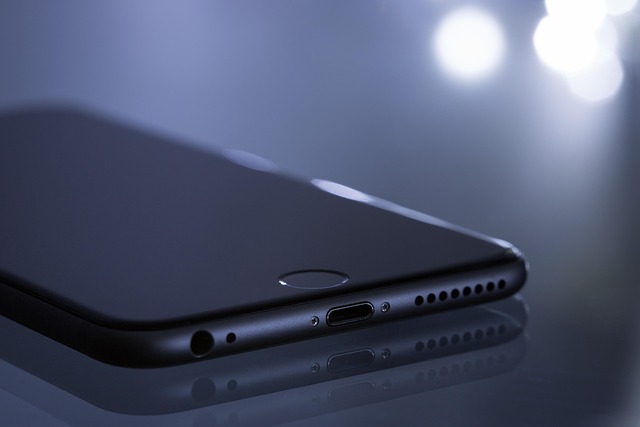
Assessing the Longevity of Apple’s 2017 Flagship
The iPhone X introduced the A11 Bionic chip and OLED Super Retina display—both groundbreaking at launch. However, by 2026, hardware aging becomes evident. The processor struggles with resource-intensive apps such as AI-driven design tools or real-time analytics platforms. Professionals using cloud-based ecosystems may find the device serviceable for communication but inadequate for heavy multitasking or data modeling.
Market Position of iPhone X Compared to Contemporary Models
In resale markets, refurbished iPhone X units typically fall below mid-tier pricing brackets. Their affordability attracts budget-conscious users but not professionals prioritizing performance consistency. Compared with newer models like the iPhone 15 Pro or its successors, depreciation is steep due to absent features such as ProMotion displays and advanced neural engines. The device’s limited resale stability makes it unsuitable as a long-term asset.
Hardware Performance and Technological Capabilities
Hardware defines whether older flagships can sustain modern workloads. The iPhone X’s architecture was advanced for its time but now faces natural obsolescence against Apple’s current silicon innovations.
Processor Efficiency and System Responsiveness
The A11 Bionic chip remains capable of running standard mobile applications smoothly. Yet under modern workloads—like simultaneous rendering or AR processing—it shows latency that impacts productivity. Benchmarks against A17 or M-series chips reveal significant efficiency gaps in both energy management and neural processing throughput. For professional developers or designers, these limitations restrict scalability in production environments.
Display Quality and Visual Output Standards
The OLED Super Retina panel still delivers sharp contrast and accurate colors suitable for media consumption. However, its lack of high refresh rate (limited to 60 Hz) restricts smoothness critical for design reviews or animation work. Modern HDR standards have outpaced what the original panel supports, reducing its value for professionals requiring precise visual calibration.
Battery Health and Power Management in 2026 Usage Scenarios
After nearly nine years of use or refurbishment cycles, typical battery health drops below 80%. Even with replacements, capacity remains modest compared to newer lithium polymer modules optimized for fast charging and power density. While replacement is feasible through authorized service centers, frequent recharging interrupts extended fieldwork or travel operations.
Software Support and Security Considerations
Software longevity often dictates whether older devices remain viable for business use. As Apple phases out legacy hardware from major updates, professionals must weigh security exposure against operational necessity.
iOS Update Compatibility Beyond 2026
Apple traditionally provides five to six years of full OS support per model generation. Given this pattern, official updates for the iPhone X likely ended around 2023–2024. Without continued firmware updates beyond that point, users face compatibility issues with newer applications that demand recent APIs or frameworks.
Data Security and Device Integrity for Professionals
Legacy iOS builds retain encryption protocols strong enough for basic protection but lack evolving defenses against zero-day exploits discovered post-support termination. In enterprise contexts where compliance matters—such as finance or healthcare—this poses unacceptable risk levels unless isolated within non-networked environments.
Integration with Modern Professional Ecosystems
Professional ecosystems evolve rapidly around connectivity standards and cross-platform integration. Devices unable to adapt lose value even if core functions remain intact.
Compatibility with Emerging Productivity Tools and Applications
AI-integrated productivity suites increasingly depend on neural accelerators absent from older chips like the A11 Bionic. Cloud collaboration tools function normally but load slower when handling large datasets or real-time synchronization tasks. Augmented reality applications also exceed its graphical bandwidth limits.
Connectivity Standards and Peripheral Support in 2026 Infrastructure
The absence of 5G radios confines data transfer speeds to LTE networks—a noticeable bottleneck when uploading large media files or conducting remote diagnostics over VPNs. Additionally, lacking Wi-Fi 6E compatibility reduces efficiency in dense office networks relying on multi-gigabit throughput. External accessories such as USB-C hubs can extend functionality somewhat but add cost and complexity.
Economic Perspective: Cost-Benefit Analysis for Tech Professionals
Price alone rarely defines value in professional technology decisions; total lifecycle cost does.
Pricing Trends in Refurbished Markets
Refurbished iPhone X units hover around entry-level smartphone pricing tiers by mid-2026. While this makes them accessible as backup devices, diminishing parts availability increases maintenance costs over time. Collector interest keeps some price stability but mostly among enthusiasts rather than corporate buyers.
Evaluating Return on Investment from a Professional Standpoint
For developers testing app backward compatibility or IT departments managing secondary communication lines, the device offers acceptable ROI due to low acquisition cost. Yet total cost of ownership rises once factoring repairs, battery swaps, or limited accessory interoperability compared to investing in newer models supporting unified ecosystem features like MagSafe accessories or enhanced security chips.
Ethical and Environmental Dimensions of Continued Use
Sustainability has become integral to corporate technology decisions worldwide. Extending a device’s lifespan aligns with environmental responsibility yet must be balanced against efficiency losses.
Sustainability Implications of Extending Device Lifespan
Reusing an existing iPhone X prevents additional manufacturing emissions associated with producing new smartphones. Each refurbished unit offsets roughly 70–80 kg of CO₂ equivalent compared to new production averages cited by lifecycle assessments from international energy agencies such as IEA reports on digital equipment sustainability metrics.
Balancing Innovation Adoption with Responsible Consumption
Professionals influence sustainable trends by choosing refurbishment programs over unnecessary upgrades when performance suffices for their tasks. Still, maintaining obsolete hardware purely out of sentiment undermines operational integrity if it compromises data security or workflow efficiency.
FAQ
Q1: Does the iPhone X still receive security updates in 2026?
A: No official updates are expected after Apple ends support cycles typically lasting six years per model generation.
Q2: Can an iPhone X run modern productivity apps efficiently?
A: Basic apps perform adequately, but intensive AI-based tools experience noticeable lag due to outdated processing hardware.
Q3: Is replacing the battery worthwhile?
A: Yes if used occasionally; however frequent users may find recurring replacements uneconomical given declining component availability.
Q4: How does it compare environmentally to buying new models?
A: Extending use reduces e-waste generation significantly though energy efficiency per charge remains lower than current devices.
Q5: Should professionals rely on it as their main phone?
A: It can serve secondary roles effectively but lacks performance headroom required for primary professional deployment beyond light workloads.