


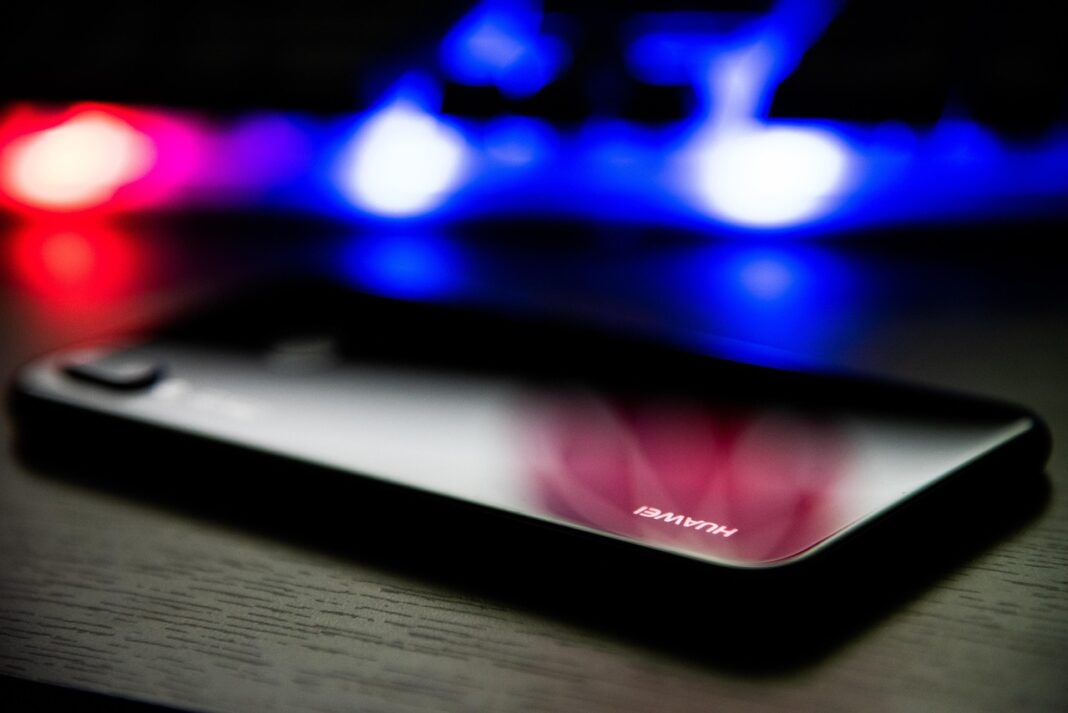

Why Is Huawei Mobile Back in the Device Conversation?
For buyers who have followed Huawei mobile news since the Google Mobile Services issue, 2026 does not look like the quiet period that came after the restrictions. Huawei is not at the top of the global smartphone chart, but it is hard to ignore in China, in foldables, and in the phone software space. You can follow more device updates in the Devices coverage on RoadsNews.
China’s Share Rebound
The clearest sign is from China. According to IDC’s Quarterly Mobile Phone Tracker published on July 14, 2026, Huawei led China’s smartphone market in Q2 2026 with 22.6% share, up from 18.1% one year earlier. That was not a small shift. The same IDC release said China’s total smartphone shipments were about 66 million units in the quarter, down 4.3% year over year, while Huawei still grew 19.4%. When a brand grows while the wider market drops, buyers, distributors, and retailers tend to look again.
The Premium Design Signal
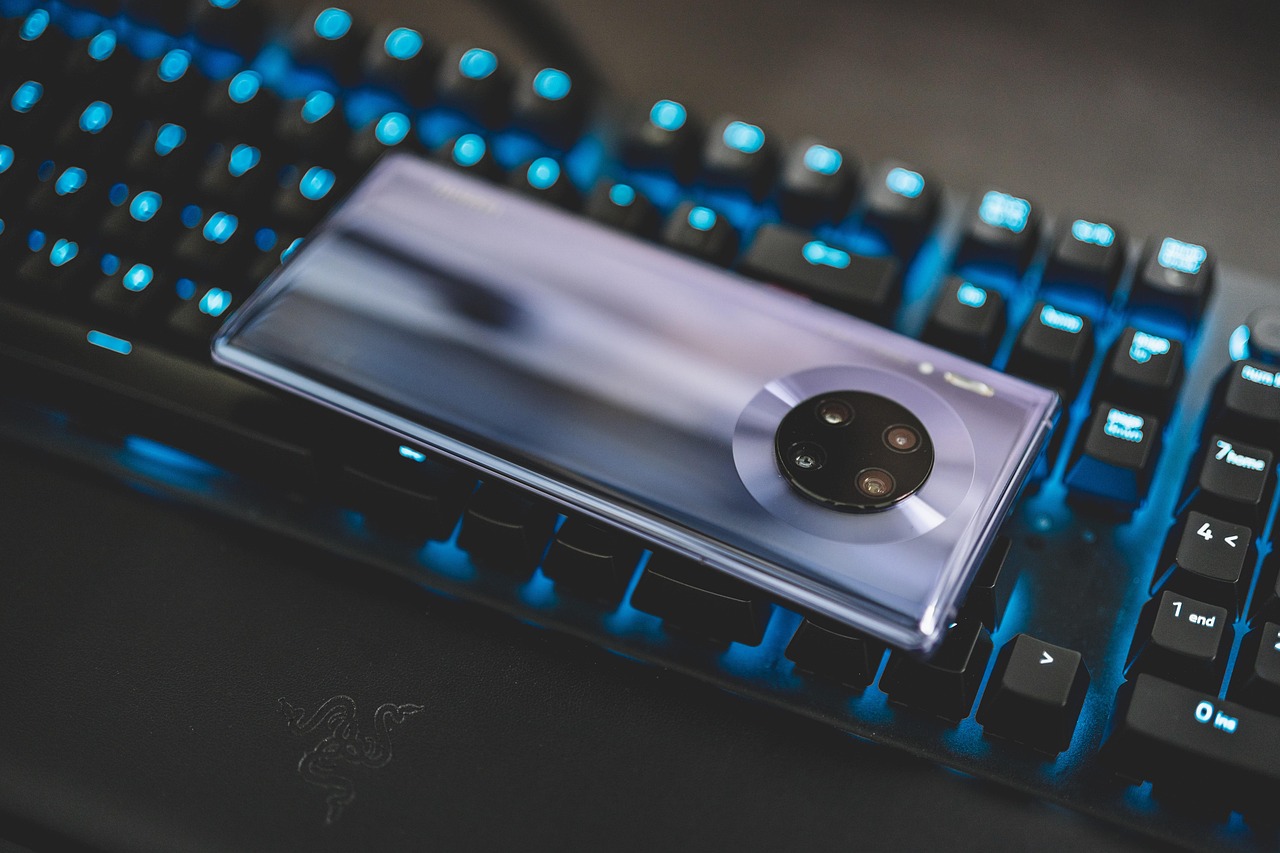
Huawei has put design back into the buying discussion. Its foldable and camera-led phones are not only built around faster chips or longer spec lists. They are made to stand out on a store counter. The Mate XT tri-fold launch in 2024, widely reported at a starting mainland China price of 19,999 yuan, showed how far Huawei was willing to push screen design. Most people will not buy a tri-fold phone for daily use, but such models can change how shoppers read the brand.
A Different Software Bet
The bigger question is still software. Huawei’s 2025 Annual Report said more than 36 million devices were running HarmonyOS 5 and HarmonyOS 6 by the end of 2025. It also reported more than 10 million registered HarmonyOS developers and over 350,000 apps and services in AppGallery. These figures do not turn Huawei into a global Android replacement in one step, but they do show that Huawei is building a phone ecosystem outside Google Play.
How Strong Is Huawei Mobile in 2026?
Huawei’s strength depends on the market. In mainland China, it is again a leading option for many buyers. Outside China, the answer is less simple because apps, carrier bands, local warranty, and payment services often matter more than camera hardware.
IDC’s China Numbers
IDC’s July 2026 China data gives Huawei a clear local lead for Q2 2026. Huawei’s 22.6% share placed it ahead of Apple at 18.1%, OPPO and vivo at 16.0% each, Xiaomi at 12.4%, and Honor at 11.3%. IDC also noted that the top six vendors held about 96% of the Chinese market. That level of concentration is hard for smaller brands, but it helps explain why software developers, accessory makers, and retailers still pay attention to Huawei.
Global Market Pressure
The global market is not as easy for Huawei. IDC’s Worldwide Quarterly Mobile Phone Tracker, updated June 23, 2026, said global smartphone shipments fell 2.9% year over year to 293.8 million units in Q1 2026. Samsung and Apple led that quarter, while Xiaomi, OPPO, and vivo filled the rest of the top five. Huawei was not in that global top-five table, and that point matters. A strong China recovery does not by itself mean broad global share.
Brand Pull in Lower-Tier Cities
Huawei’s local growth also has a price side. IDC said Huawei and Apple held prices steady in Q2 2026 while several Android rivals dealt with higher memory and component costs. That gave careful buyers a reason to purchase sooner instead of waiting. In lower-tier Chinese cities, where buyers still look closely at value but prefer a known brand, Huawei’s mix of older models, new HarmonyOS devices, and promotions seems to have worked. It is not a flashy story, but steady pricing can move phones.
What Makes Huawei Phones Different From Other Android Flagships?
If you compare a Huawei phone with a Samsung, Xiaomi, or iPhone, the main difference is not only the camera or screen. It is the ecosystem around the phone. That can help if your apps are supported. It can also cause trouble if your work and daily tools depend on Google services.
HarmonyOS Across Devices
Huawei presents HarmonyOS as a system for phones, tablets, watches, PCs, smart home gear, and car-linked use. The company’s 2025 Annual Report highlighted five consumer scenarios: office, fitness and health, smart home, smart travel, and entertainment. This matters because many buyers no longer treat a phone as a single device. If you use a Huawei watch, a MatePad, or a car with Huawei-powered cockpit software in China, the phone can work as the control point for a wider setup.
AppGallery Instead of Google Play
For many international buyers, this is the key buying point. Google’s Android Help notice on Huawei devices said Google apps and services are not available for preload on newer Huawei devices due to government restrictions. Retail guidance from O2 UK has also warned that some Android apps needing Google Mobile Services may not work properly on Huawei phones and tablets. Before buying, check your banking app, work chat, maps, ride-hailing, payment wallet, and password manager. These checks are plain and sometimes dull, but they can prevent a lot of wasted time after delivery.
Hardware Built Around Cameras and Displays
Huawei’s high-end phones usually focus on camera systems and display formats. The Pura line is aimed at imaging buyers, while Mate devices tend to target users who want battery life, large screens, and better materials. Huawei’s 2025 Annual Report named the Pura X widescreen foldable and Mate 80 Series as important smartphone products for the year. That public wording shows where the company wants the market to look: premium design, not low-price volume.
Should You Buy a Huawei Phone Outside China?
You can buy a Huawei phone outside China in many markets, but the right choice depends on your country, app habits, and how much workaround you can accept. If you want a phone that works smoothly from the first day, check the details before you decide based on the camera design.
App Compatibility Comes First
Start with apps, not specs. If your daily apps are available through AppGallery, web versions, or trusted alternatives, a Huawei phone can feel easy to use. If your work needs Google Workspace push notifications, Google Pay, certain banking apps, or company device management, test before you buy. Do not assume sideloading will solve every issue. Some apps can be installed but still fail because they rely on Google location, notifications, maps, or security checks.
Network Bands Need Checking
Network support is another practical point. Imported Huawei models may not support every 4G or 5G band used by your carrier. In the United States, the situation is more complicated because of the regulatory background around Huawei equipment. The FCC’s Covered List includes telecommunications equipment produced or provided by Huawei, and U.S. carrier retail support remains limited. If you are in the U.S., check IMEI support with your carrier before ordering. A phone with a strong camera is not useful if calls keep dropping at home.
Warranty and Repair Matter
Huawei’s service network is large, but local coverage still needs checking. The company’s 2025 Annual Report said it had more than 3,100 authorized service centers across 70 countries and regions by the end of 2025, with over 100 million consumer service interactions during the year. That is a solid base for after-sales support. Still, imported phones can sit outside local warranty terms, and foldable repairs are usually expensive. If the seller cannot explain warranty rules in simple words, treat it as a warning sign. See also: AI.
Which Huawei Mobile Line Fits Your Use Case?
Huawei’s phone lineup can look messy when you browse import listings. A simple way to sort it is by use case: Mate for heavy use, Pura for photography, Nova for style and mid-range pricing, and foldables for buyers who really want a different screen shape.
Mate for Power Users
The Mate line is the safest place to start if you want a Huawei flagship for long daily use. These phones usually focus on larger batteries, premium displays, strong camera hardware, and business-friendly features. A Mate model makes sense if you travel often, take many photos, read documents on the phone, and want the full Huawei experience. Just keep one point in mind: the best Mate phone for China may not be the best one for Europe, the Middle East, or the U.S.
Pura for Camera Buyers
Pura is where Huawei tells its camera story. The line is aimed at users who care about portraits, zoom, night shots, and a phone that looks different from the usual black rectangle. For content creators and frequent travelers, that can be a real reason to choose it. The real test is not a sample photo on a billboard. It is your own scene: a moving child indoors, a restaurant table at 9 p.m., a street sign at full zoom, or a receipt you need for expenses.
Nova and Foldables for Specific Tastes
Nova phones tend to serve younger buyers who want style, usable cameras, and a lower price than the flagship lines. Foldables are a bigger spend, so the use case has to be clear. They fit people who read, multitask, edit documents, or simply like a tablet-like screen in a pocket. For most buyers, a normal slab phone is still easier to own. For a smaller group, though, a foldable can change daily habits. Once you read a PDF on a large inner screen, going back can feel cramped.
What Should Global Retailers Watch Next?
For retailers, importers, and marketplace sellers, Huawei is not just another phone brand. It can bring demand, but it also brings more buyer questions. Clear product pages and honest compatibility notes will matter more than big sales claims.
Price Discipline
IDC’s 2026 data points to a market under pressure from memory costs and higher average selling prices. Huawei’s China growth came partly because it did not push buyers away with sudden price rises in Q2 2026. Retailers should watch whether that pricing approach continues. If Huawei keeps older devices attractive while using flagships to build brand position, it can reach more budgets without looking like a discount brand.
Local App Partnerships
App availability is the quiet part behind future sales. AppGallery’s reported 350,000-plus apps and services at the end of 2025 is a large number, but buyers care about the ten apps on their own home screen. Sellers should list supported local banking, transport, streaming, and payment apps clearly. A short compatibility note can reduce returns. It also builds trust, and that is harder to buy than traffic.
Foldables as a Premium Test
Foldables remain a premium test for Huawei and for the wider market. IDC’s June 2026 smartphone outlook said foldables were one of the few segments expected to grow that year, even as overall shipments were under pressure. That gives Huawei some room to stand out, especially with unusual designs. Still, retailers should be careful with stock depth. Foldables attract clicks, but mainstream phones usually pay the rent.
- Check local app support before promoting a Huawei phone as a daily-driver device.
- Confirm carrier bands and warranty coverage for each imported model.
- Separate China ROM, global EMUI, and HarmonyOS models clearly on product pages.
- Use real buyer scenarios, such as banking, maps, payments, and repairs, not only camera specs.
FAQ
Q1: Is Huawei mobile a good choice in 2026? A: It can be a good choice if you value camera hardware, premium design, HarmonyOS features, and strong China-market support. It is less suitable if you rely heavily on Google Mobile Services.
Q2: Do new Huawei phones have Google Play? A: Many newer Huawei phones do not ship with Google Play or Google Mobile Services. Always check the exact model, region, and software version before buying.
Q3: Why is Huawei growing again in China? A: IDC’s July 2026 data shows Huawei gained share while China’s market declined. Stable pricing, brand loyalty, HarmonyOS growth, and a wider phone lineup all helped.
Q4: Can you use a Huawei phone in the United States? A: Some imported models may work on certain networks, but carrier support, bands, Google services, and warranty coverage can be limiting. Check IMEI compatibility first.
Q5: Which Huawei phone line should you consider first? A: Choose Mate for flagship power, Pura for cameras, Nova for style at a lower price, and foldables only if you truly need a larger screen in a pocketable device.