


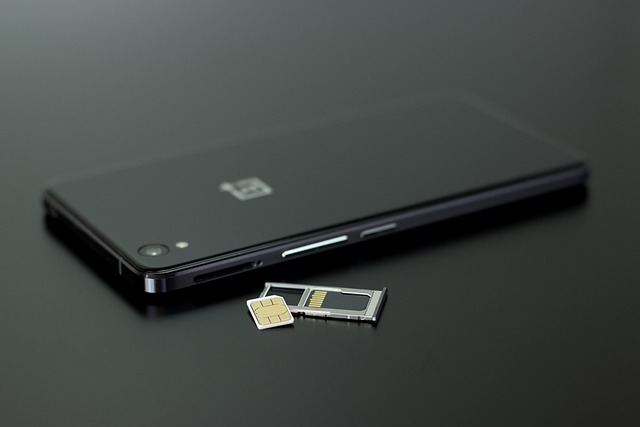

Staying Connected Abroad Without Losing Your Privacy
Traveling across borders today means staying online almost constantly, yet every connection carries hidden risks. The most effective way to maintain both access and privacy is to use a local sim card combined with secure digital practices. This approach limits data exposure, avoids unnecessary roaming logs, and aligns with modern cybersecurity expectations. Experts now treat connectivity abroad not as a convenience but as part of a broader risk management plan that blends telecom policy awareness, encryption tools, and careful provider selection.
Understanding Connectivity Challenges Abroad
Cross-border communication depends on complex technical and regulatory systems that influence how travelers connect and what data may be exposed.
The Complex Landscape of International Mobile Networks
International mobile networks are built on roaming agreements between carriers that determine how data travels through foreign infrastructure. These agreements affect both cost and performance because each carrier’s interoperability dictates how efficiently packets move through local towers. In regions where spectrum allocation differs or 5G deployment is uneven, users may experience latency or unstable signals. Regional regulations further shape access; for instance, some countries restrict foreign carriers’ network access or require additional authentication layers before activation.
Privacy Risks When Using Foreign Networks
When devices roam abroad, they often pass through multiple network operators, increasing the chance of interception. Public Wi-Fi hotspots compound the problem by exposing unencrypted sessions to man-in-the-middle attacks. Even legitimate mobile networks can log metadata such as location or call duration without explicit consent. Moreover, SIM registration laws vary widely: while the EU enforces strict data protection frameworks under GDPR, other regions require passport-level verification that erodes anonymity. This uneven landscape makes privacy preservation highly situational.
Evaluating the Role of Local SIM Cards in Secure Connectivity
Choosing a local sim card offers both technical and privacy advantages over traditional roaming setups, especially for professionals handling sensitive information.
Technical Advantages of Using a Local SIM Card
Local SIMs connect directly to domestic networks without routing traffic back through the traveler’s home carrier. This reduces latency and packet loss because data paths remain geographically shorter. Localized routing also limits cross-border exposure since packets stay within national boundaries instead of transiting multiple jurisdictions. Compatibility with regional frequency bands—particularly in Asia-Pacific markets where 4G/5G allocations differ—ensures better signal stability and faster throughput.
Privacy Benefits Compared to Roaming Services
Using a local sim card minimizes reliance on home carriers that might record international activity for billing or analytics purposes. It also shortens metadata trails because traffic no longer traverses global roaming hubs where logs are often retained for compliance reasons. With local service management, users gain more control over which entities process their identity information and can select prepaid plans that demand minimal personal details.
Security Considerations When Choosing a Local SIM Card
Selecting a provider abroad involves more than price comparison; it requires assessing how telecom companies handle user data under their domestic legal regimes.
Assessing Provider Trustworthiness and Data Policies
Experts recommend reviewing each operator’s privacy documentation before purchase. A trustworthy provider should disclose its retention timelines, third-party sharing policies, and adherence to international standards such as ISO/IEC 27001 for information security management or GDPR compliance for European operations. Transparency reports published by major carriers can reveal whether they respond to government data requests or anonymize subscriber records before analysis.
Risks Associated with SIM Registration Requirements
Many countries enforce mandatory ID verification during SIM activation to combat fraud or terrorism financing. While understandable from a security standpoint, this process can compromise anonymity by linking phone numbers directly to passports or national IDs stored in centralized databases accessible by authorities. Travelers must balance compliance with local law against potential exposure risks by choosing prepaid options where feasible or using eSIM profiles tied to minimal personal identifiers.
Alternative Solutions to Enhance Secure Connectivity Abroad
Even with a local SIM in place, layered defenses are essential for maintaining confidentiality during international operations.
eSIM Technology as a Flexible Alternative
eSIM technology allows remote provisioning of mobile profiles without physical swaps, enabling quick network changes when crossing borders. Because credentials are embedded digitally rather than stored on removable chips, the risk of cloning or theft drops significantly. The ability to switch between carriers dynamically improves coverage continuity while reducing dependency on any single operator’s infrastructure—a valuable redundancy for corporate travelers managing sensitive communications.
Combining VPNs and Encrypted Communication Tools with Local SIMs
Pairing a local sim card with strong encryption tools adds another layer of defense. A virtual private network (VPN) tunnels traffic securely through encrypted channels, masking IP addresses from local surveillance systems or malicious intermediaries. End-to-end encrypted messaging platforms further protect content even if intercepted at the network level. Together these tools create multi-layered protection resilient against interception attempts common in high-risk regions.
Strategic Recommendations for Experts Managing Cross-Border Connectivity
Professionals overseeing global mobility programs should treat telecom security as integral to corporate risk governance rather than an afterthought.
Developing a Comprehensive Security Framework for Travelers
Before departure, devices should undergo hardening procedures such as disabling automatic Wi-Fi connections and applying firmware updates verified by cryptographic signatures under IEEE 802 standards. Multi-factor authentication across communication platforms reduces credential theft probability during transit. Continuous auditing of active network configurations ensures detection of unauthorized profile changes—a common symptom of SIM hijacking attempts reported in several markets.
Integrating Local SIM Strategies into Corporate Mobility Policies
Enterprises can formalize guidelines specifying approved local carriers per region based on vetted privacy assessments and compliance certifications like ISO/IEC 27701 for data protection management systems. Centralized monitoring tools can track mobile data flows to confirm adherence to company policies while respecting employee privacy boundaries. Training sessions should emphasize practical habits—avoiding public chargers or unsecured hotspots—that reinforce secure usage culture among traveling staff.
FAQ
Q1: Why is using a local sim card safer than roaming?
A: It keeps data within one jurisdiction, reducing exposure across multiple carrier networks that may log user activity internationally.
Q2: Can eSIMs fully replace physical cards abroad?
A: Not yet everywhere; while eSIM adoption grows fast in Europe and parts of Asia, some developing markets still lack compatible provisioning systems.
Q3: How do VPNs improve mobile security overseas?
A: They encrypt all outgoing traffic so even if intercepted by foreign ISPs or Wi-Fi hosts, the content remains unreadable.
Q4: Are prepaid sim cards more private than postpaid ones?
A: Generally yes; prepaid services often require less personal information though some countries still mandate ID checks at purchase.
Q5: What should corporations include in travel connectivity policies?
A: Policies should define approved providers, enforce encryption use, require device hardening steps before travel, and include regular audits for compliance assurance.