



GPTs, Chatbots and Machine Learning Drive New Wave of AI Clinical Trial Records
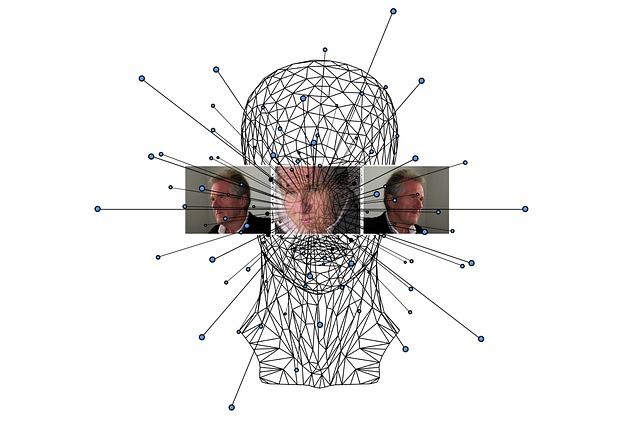
Deep learning AI is reshaping how clinical trial data is processed, analyzed, and interpreted. The fusion of neural networks with transformer-based architectures like GPTs creates a new paradigm for biomedical research. These systems automate data extraction, uncover hidden patterns across multimodal datasets, and enable adaptive decision-making in real time. As chatbots and conversational interfaces become integral to patient engagement and data collection, the boundaries between human input and algorithmic interpretation continue to blur. The result is a more connected, intelligent ecosystem where clinical insights emerge faster and with greater precision.
The Intersection of Deep Learning AI and Clinical Trial Data
The convergence of deep learning AI with clinical trial management has transformed traditional research workflows. Instead of static data pipelines, modern systems now integrate imaging analytics, genomic sequencing outputs, and textual records into unified analytical frameworks.
Understanding the Role of Deep Learning in Biomedical Data Processing
Deep learning models automate the extraction and interpretation of complex medical data that once required extensive manual review. Neural networks identify subtle correlations across imaging scans, genomic markers, and physician notes that may indicate disease progression or treatment response. Advanced architectures such as convolutional and recurrent neural networks increase accuracy in detecting endpoints like tumor shrinkage or biomarker shifts. In practice, these models reduce variability in analysis while improving reproducibility—two persistent challenges in biomedical research.
Evolution from Traditional Machine Learning to Deep Learning in Clinical Research
Machine learning once depended on manual feature engineering using structured datasets like spreadsheets or coded registries. Deep learning changed that dynamic by introducing end-to-end modeling capable of processing unstructured text from electronic health records (EHRs), MRI images, or wearable sensor outputs. This shift enhances scalability across large multi-site trials where data formats vary widely. It also improves adaptability when new variables—such as digital biomarkers—emerge mid-study.
GPTs and Chatbots as Catalysts for Data Transformation
The rise of GPT-based systems has redefined how researchers interact with trial participants and manage communication pipelines. Natural language interfaces have become not just tools for convenience but engines for data fidelity.
Redefining Natural Language Interfaces in Clinical Trials
GPT-driven chatbots facilitate smoother dialogue between clinicians, coordinators, and patients by translating technical jargon into accessible language. These conversational systems assist with protocol clarifications, informed consent procedures, and real-time participant support during study phases. Integration with clinical trial management software reduces administrative workload while maintaining compliance with regulatory standards such as ICH-GCP or ISO 14155.
Enhancing Data Capture Through Conversational AI
Conversational AI automates patient-reported outcomes collection by interpreting free-text responses within contextual frameworks. Natural language processing modules convert subjective narratives into structured variables suitable for statistical modeling. Continuous chatbot interactions also allow longitudinal tracking of participant engagement levels and adherence patterns—critical metrics for assessing trial reliability over time.
Integrating Deep Learning AI with GPT Architectures for Clinical Insights
As transformer models evolve, their synergy with domain-specific deep learning systems is driving unprecedented depth in biomedical analytics.
Synergistic Use of Transformer Models in Biomedical Contexts
Transformers excel at capturing context within long sequences of medical narratives such as clinician notes or radiology reports. Fine-tuned GPT variants adapt to specialized terminologies from oncology or cardiology datasets using curated ontologies like SNOMED CT or UMLS. When combined with structured EHR fields—lab values, demographics—they generate composite representations that reveal nuanced associations otherwise missed by conventional models.
Leveraging Representation Learning for Data Harmonization
Representation learning aligns heterogeneous data sources across multiple research sites through deep embeddings that encode semantic relationships among variables. This harmonization supports interoperability between disparate databases following HL7 FHIR standards. By embedding meaning rather than format, these models enable predictive analytics for outcomes such as adverse event detection or therapeutic efficacy forecasting.
Challenges in Applying Deep Learning AI to Clinical Trial Data
Despite its promise, applying deep learning AI to regulated biomedical environments introduces complex operational barriers related to governance, interpretability, and infrastructure cost.
Managing Data Quality, Privacy, and Ethical Constraints
Incomplete or biased datasets can distort predictions about safety signals or treatment effects. Regulatory frameworks like GDPR in Europe and HIPAA in the United States impose strict controls on personal health information handling. Ethical considerations extend beyond compliance; they involve transparency about algorithmic reasoning and informed consent when participants’ data train adaptive models.
Computational Complexity and Model Interpretability Issues
High-dimensional biomedical datasets require powerful GPUs or cloud clusters to train deep networks efficiently—a cost barrier for smaller institutions. Moreover, interpretability remains problematic when black-box architectures underpin regulatory decisions affecting patient safety. Techniques such as attention visualization maps or model distillation are emerging to make neural predictions more transparent without sacrificing accuracy.
Future Directions: Toward Intelligent Clinical Trial Ecosystems
The next decade will likely see autonomous decision-support systems guiding trial design dynamically while secure collaboration frameworks protect sensitive data across borders.
Autonomous Decision Support Systems for Trial Optimization
Predictive analytics can simulate adaptive designs where inclusion criteria evolve based on interim results. Reinforcement learning agents may recommend resource allocation strategies during multi-phase studies to balance recruitment speed against statistical power. Intelligent dashboards could forecast dropout risk or endpoint attainment probabilities months ahead of schedule.
Federated Learning and Secure Collaboration Across Institutions
Federated learning allows decentralized model training so institutions keep raw patient data locally while contributing gradient updates to global models—a concept gaining traction under IEEE privacy-preserving computation standards. Secure multi-party computation ensures confidentiality during cross-site analytics exchanges. Such methods foster international collaboration without compromising compliance obligations under ISO/IEC 27001 information security management principles.
FAQ
Q1: How does deep learning AI differ from traditional machine learning in clinical trials?
A: Deep learning handles unstructured multimodal data directly through layered neural architectures, whereas traditional machine learning depends on predefined features from structured inputs.
Q2: What role do GPT-based chatbots play in participant engagement?
A: They provide real-time communication channels that clarify procedures, gather feedback, and maintain continuous contact throughout the study lifecycle.
Q3: Why is interpretability crucial for AI-driven clinical trials?
A: Regulators require transparent reasoning behind predictions affecting patient outcomes; explainable models help meet those standards while building trust among clinicians.
Q4: Can federated learning replace centralized databases?
A: Not entirely—it complements them by enabling collaborative training without transferring sensitive records across institutions.
Q5: What future impact might reinforcement learning have on trial design?
A: It could enable adaptive protocols that adjust enrollment criteria or dosage arms automatically based on live performance indicators from ongoing studies.