


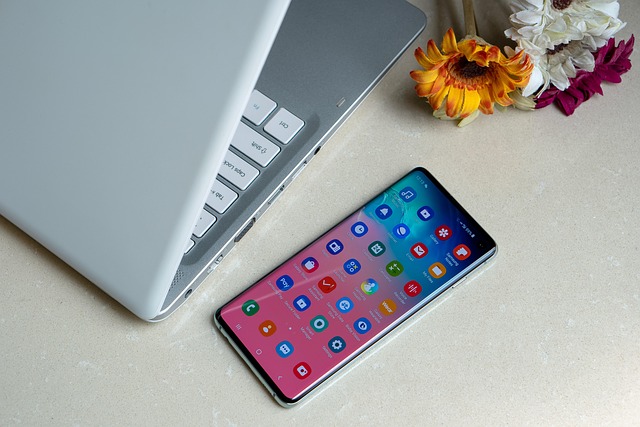

Galaxy S2, 15 Years On: Revisiting Samsung’s First Great Smartphone
Fifteen years after its debut, the Samsung Galaxy S2 remains a turning point in mobile history. It wasn’t just another Android phone; it was the moment Samsung proved it could define the high-end smartphone experience. The Galaxy S2’s lightweight design, vivid display, and powerful chipset set benchmarks that shaped every Galaxy S generation that followed. Today, its influence can still be traced through Samsung’s premium craftsmanship, display engineering, and software ecosystem. The evolution from that 2011 model to today’s foldables shows how Samsung transformed from a fast follower into a long-term innovation leader.
The Legacy of the Galaxy S2 and the Birth of Samsung’s Flagship Identity
The Galaxy S2 marked the beginning of Samsung’s confident stride into flagship territory. It was more than a product—it was a statement that Android could match Apple in sophistication and desirability.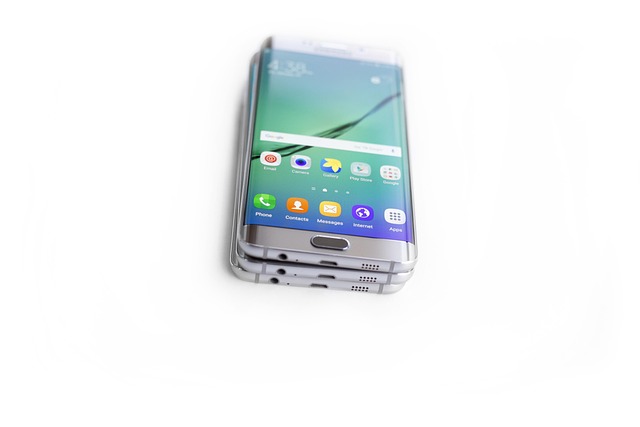
How the Galaxy S2 Set the Foundation for Samsung’s Smartphone Strategy
When released in 2011, the Galaxy S2 established Samsung as a credible competitor to Apple. Its dual-core processor and slim profile were unmatched at launch. The phone’s Super AMOLED Plus screen delivered color depth unseen on other devices then, setting new visual standards for Android phones. Customization options—from widgets to UI tweaks—cemented Samsung’s reputation for giving users control, shaping a brand identity distinct from Apple’s closed ecosystem.
Technological Milestones Introduced by the Galaxy S2
The Exynos chipset demonstrated Samsung’s advantage in vertical integration—designing both hardware and components internally. Its Super AMOLED Plus display showcased mastery in OLED production that would later dominate industry trends. The removable battery and microSD slot reflected consumer-first engineering priorities that many still miss today. At only 8.49 mm thick, it influenced how thinness became synonymous with premium design.
Evolution of Design Philosophy: From Plastic to Premium Craftsmanship
As competition intensified, Samsung shifted its focus from performance specs to design elegance. This transition redefined how consumers perceived Android flagships.
Shifts in Material Choices and Aesthetic Direction
Early Galaxy models relied heavily on plastic shells for practicality and weight savings. By the time of the Galaxy S6 and beyond, glass and metal replaced plastic, signaling a move toward luxury positioning. Industrial design matured—symmetry replaced bold textures, while curved edges introduced ergonomic finesse. Bezel-less screens became achievable thanks to precision manufacturing improvements across Samsung’s supply chain.
Balancing Functionality with Form Over Successive Generations
Design evolution didn’t sacrifice function. Waterproofing entered mainstream with IP68 ratings; wireless charging became standard from mid-decade models onward. Camera housing evolved too—from protruding modules to seamless integration within polished backs. Across smartphones, tablets, and wearables, visual coherence unified Samsung’s ecosystem identity.
Display Innovation as a Core Differentiator
Samsung’s continuous investment in display technology remains its most consistent advantage—and perhaps its most visible one.
Advancements in Display Technology Since the Galaxy S2
From Super AMOLED Plus to Dynamic AMOLED 2X panels, each generation refined brightness control and color accuracy. Higher refresh rates like 120 Hz improved motion clarity for gaming and scrolling alike. HDR10+ support brought cinematic quality to handheld screens, while adaptive brightness algorithms optimized visibility across lighting conditions. Foldable displays now extend this legacy into new form factors without compromising image fidelity.
The Role of Display Engineering in Brand Differentiation
Owning panel production gives Samsung rare control over quality assurance and innovation cadence. Superior calibration benefits both professionals who rely on color accuracy and everyday users seeking visual comfort. Each new display generation doubles as both an engineering feat and a marketing anchor—proof that “samsung galaxy s” screens remain industry benchmarks.
Performance Evolution: Hardware Integration and Efficiency Gains
Samsung’s hardware journey mirrors its shift from chasing performance numbers to mastering efficiency across systems.
Chipset Development Across Generations
The move from dual-core Exynos processors to custom-designed SoCs represents years of R&D refinement. Collaboration with Qualcomm ensured consistent global performance across LTE bands and thermal conditions. Today’s chips integrate AI acceleration units powering real-time optimization—from photography enhancements to resource allocation—making performance smarter rather than simply faster.
Battery Efficiency, Thermal Management, and Sustainability Goals
Adaptive power management now extends usage under demanding workloads like video capture or gaming marathons. Advanced graphite cooling layers dissipate heat effectively without adding bulk. In recent generations, recycled materials appear in internal components—a nod toward sustainability without performance compromise.
Imaging Systems: From Single Lens to Computational Photography Platforms
Samsung transformed mobile imaging from simple snapshots into computationally enhanced storytelling tools.
Evolution of Camera Hardware Architecture
Sensor sizes grew dramatically since the single-lens era of the Galaxy S2, improving low-light sensitivity and dynamic range capture. Multi-lens setups introduced telephoto zooms for distance shots, ultra-wide lenses for landscapes, and macro sensors for detail work—all stabilized optically for crisp output regardless of motion or lighting.
Software Intelligence Driving Imaging Performance
AI-driven scene recognition automatically adjusts exposure and tone mapping per subject type—food, portrait, nightscape—requiring no manual intervention yet producing professional-grade results. Neural processing units handle real-time computation during capture rather than post-processing delay. For professionals, cloud-linked editing workflows bridge mobile photography with studio-grade finishing tools seamlessly.
Software Ecosystem: Refinement Through One UI and Beyond
Hardware alone no longer defines flagship value; software cohesion does.
The Shift Toward a Unified User Experience Across Devices
One UI unified design language across smartphones, tablets, watches, even foldables—simplifying navigation on large screens while retaining intuitive flow on smaller ones. Cross-device continuity allows calls or notes to transfer instantly between devices within an account environment. Regular OS updates extend device lifespans beyond typical upgrade cycles by maintaining security compliance over years instead of months.
Customization Versus Standardization in Modern Android Implementations
Samsung balances proprietary features like DeX desktop mode with adherence to Android standards for compatibility stability. Deep integration with Google services keeps interoperability intact across apps while regional customization layers adapt interfaces without fragmenting codebases—a delicate equilibrium between individuality and global consistency.
Market Positioning: Innovation Leadership or Incremental Refinement?
After fifteen years of iteration, questions arise whether Samsung still leads or merely refines perfection already achieved.
Assessing Samsung’s Role in Contemporary Smartphone Innovation
Today’s flagship releases emphasize polish over shock value because markets have matured technically. Foldable devices like the Z series show where true experimentation persists—a pivot toward redefining mobility itself rather than chasing marginal gains in speed or resolution alone. Increasing AI integration signals that experience quality now outweighs raw specification races once dominated by chip counts or megapixels.
Competitive Landscape Analysis Within the Premium Segment
Against Apple’s ecosystem lock-in or Google’s software-first minimalism, Samsung occupies a balanced middle ground emphasizing tangible technology leadership backed by manufacturing scale resilience during supply shortages worldwide (as reported by Reuters). Its brand remains rooted not just in lifestyle aspiration but proven technical credibility—a rare stance among top-tier OEMs today.
The Continuing Influence of the Galaxy S Legacy on Future Directions
Fifteen years after launch, lessons from every iteration continue shaping strategy forward.
Lessons from Fifteen Years of Iterative Advancement
Sustained leadership demands balancing bold experimentation with reliability expectations built over time. Historical sales data guide predictive modeling on which innovations consumers adopt first regionally versus globally (a method referenced by Bloomberg market analyses). The “samsung galaxy s” lineage exemplifies how careful evolution—not reckless reinvention—can maintain dominance through consistency grounded in user trust rather than novelty alone.
FAQ
Q1: Why is the Galaxy S2 considered pivotal in smartphone history?
A: It proved that Android phones could rival Apple in design quality and performance while introducing features like AMOLED displays that redefined industry standards.
Q2: How did Samsung transition from plastic designs to premium materials?
A: Starting around the Galaxy S6 era, glass-and-metal construction replaced plastic as part of repositioning toward luxury aesthetics aligned with flagship pricing tiers.
Q3: What distinguishes Samsung displays from competitors?
A: Proprietary OLED manufacturing gives it full control over brightness calibration and panel yield quality unmatched by outsourced suppliers.
Q4: How has AI changed camera performance on modern Galaxy devices?
A: AI enables real-time scene detection and image optimization directly during capture rather than after processing delays seen on earlier models.
Q5: What remains constant through fifteen years of “samsung galaxy s” development?
A: A focus on user choice—customization options combined with technical excellence—continues defining every generation since the original Galaxy S2.