




Humanoid Robots Work Nonstop in Package Test
Humanoid robots powered by artificial intelligence are now capable of operating continuously without human rest cycles. In package testing environments, these systems demonstrate not only endurance but also adaptive intelligence that adjusts to real-time conditions. Their nonstop operation is made possible by AI-based energy management, predictive maintenance, and self-learning algorithms. The result is a new generation of humanoid machines that can sustain industrial workloads with minimal downtime, reshaping automation standards for logistics and manufacturing.
The Integration of Artificial Intelligence in Humanoid Robotics
Artificial intelligence has transformed humanoid robotics from rigid automation into dynamic systems capable of decision-making and adaptation. This integration allows robots to manage complex tasks once reserved for humans, including continuous operations in unpredictable environments.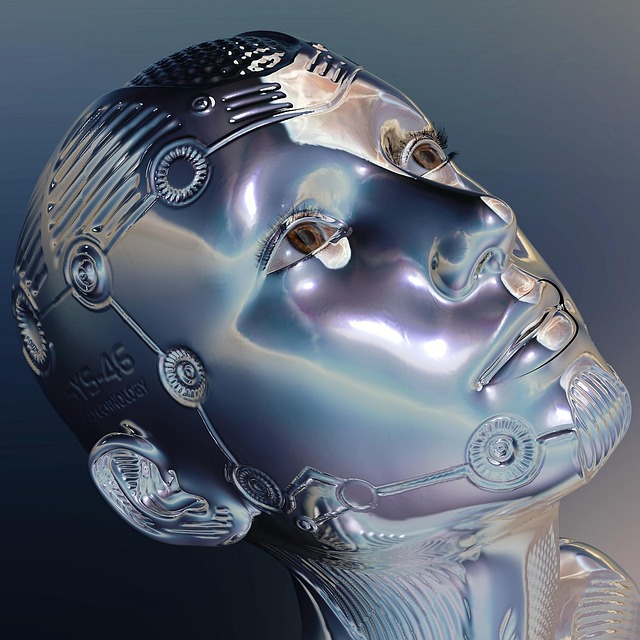
The Evolution of AI-Driven Humanoid Systems
Early humanoid robots were limited by pre-programmed behaviors. They performed repetitive actions but lacked flexibility. With the introduction of deep neural networks and reinforcement learning, humanoids began to learn from their surroundings, improving performance over time. Reinforcement models now allow them to refine motion accuracy and adapt to new tasks autonomously. In industrial applications like package testing, this adaptability means consistent precision even after thousands of repetitions.
Key Components of AI Robot Architectures
Modern artificial intelligence robot architectures rely on sensor fusion combining visual, tactile, and auditory data streams into a unified model of the environment. Cognitive frameworks built on hierarchical planning structures enable robots to prioritize tasks dynamically. Perception modules interact directly with motion control algorithms, allowing fluid transitions between tasks such as object recognition and manipulation during continuous operation cycles.
Continuous Operation Capabilities in Humanoid Robots
As humanoid robots move toward nonstop functionality, maintaining energy balance and mechanical stability becomes critical. Continuous work demands intelligent power use and structural durability supported by AI-driven monitoring systems.
Energy Management and Efficiency Optimization
AI manages internal power distribution across sensors, actuators, and processors to prevent overloads during extended operation. Predictive algorithms forecast energy demand based on workload patterns, adjusting consumption accordingly. Some prototypes integrate regenerative braking or kinetic recovery systems that recycle motion energy into usable power reserves. Predictive maintenance tools further reduce downtime by identifying wear before it leads to failure.
Thermal Regulation and Mechanical Durability
Continuous operation generates heat stress across joints and processors. Advanced liquid-cooling channels paired with thermoelectric modules maintain stable internal temperatures. Material science innovations such as carbon-fiber composites enhance durability while reducing weight stress on servos. Embedded AI continuously monitors temperature gradients and vibration signatures to detect early signs of fatigue or microfractures.
The Role of Machine Learning in Nonstop Task Execution
Machine learning enables humanoid robots to perform repetitive industrial tasks without degradation in accuracy or speed. Through iterative refinement, they become more efficient each cycle.
Adaptive Learning Models for Repetitive Tasks
Reinforcement learning models adjust movement precision after every cycle based on feedback data from force sensors and visual tracking systems. This self-improving loop minimizes variance over long-duration tests such as package sorting or stacking trials. Error correction algorithms update control parameters automatically without halting the process.
Predictive Behavior Modeling for Autonomous Adjustment
Machine learning extends beyond repetition into prediction. By analyzing historical workload data, humanoids anticipate peak loads or idle intervals and modify energy output accordingly. Real-time modeling allows them to synchronize with conveyor speeds or packaging line variations without external input. Cloud-based AI networks share these learned behaviors across multiple units so improvements propagate system-wide.
Human-Robot Collaboration in Continuous Work Environments
Even as humanoids achieve nonstop capability, collaboration with humans remains essential for oversight and safety assurance in industrial settings.
Safety Protocols and Interaction Standards
AI-driven situational awareness uses proximity sensors and computer vision to detect human presence instantly, triggering safe-mode responses when necessary. Compliance with ISO 10218 standards for robot safety ensures controlled force application during shared workspace operations. Communication interfaces using natural gestures or voice commands enable supervisors to intervene seamlessly during active cycles.
Ethical and Regulatory Considerations in Nonstop Robotics Deployment
The deployment of nonstop robotic labor raises questions about ethical boundaries between productivity gains and workforce displacement. Transparent data governance policies are required to maintain accountability when autonomous systems make operational decisions independently. Regulators are beginning to explore frameworks addressing continuous robotic employment under existing labor laws—a complex field still evolving globally.
Future Directions for Nonstop Efficiency in Humanoid Robotics Systems
The next generation of artificial intelligence robot platforms will focus on autonomy at both hardware and network levels through edge computing and sustainable energy sourcing.
Integration of Edge AI and Real-Time Processing Technologies
Edge-based processing reduces latency by executing computations locally instead of relying solely on cloud infrastructure. This approach enhances responsiveness during high-frequency control loops such as balance corrections or obstacle avoidance during packaging tests. Secure communication protocols between distributed units allow coordinated movement without central bottlenecks.
Advancements Toward Self-Sustaining Robotic Ecosystems
Future humanoid systems may feature autonomous charging through inductive pads embedded in factory floors or solar-assisted microgrids for outdoor operations. Closed-loop feedback mechanisms will let them self-correct deviations without human diagnostics, moving closer to fully autonomous ecosystems capable of multi-environment deployment—from warehouses to disaster zones—without scheduled downtime.
FAQ
Q1: How do humanoid robots sustain nonstop operation?
A: They employ AI-based power management, predictive maintenance algorithms, and thermal regulation systems that prevent overheating or component fatigue during extended activity cycles.
Q2: What role does machine learning play in continuous robotics?
A: Machine learning refines task execution through repetition analysis, enabling adaptive adjustments that maintain accuracy across long-duration workflows.
Q3: Are nonstop humanoid robots safe around humans?
A: Yes, they follow ISO-certified safety protocols supported by real-time environmental sensing that limits motion when a person enters the shared workspace.
Q4: Can these robots operate independently from cloud servers?
A: Edge computing allows local decision-making with minimal latency while still syncing periodic updates through secure cloud connections for collective learning benefits.
Q5: What industries benefit most from nonstop humanoid robotics?
A: Logistics, packaging, electronics assembly, and healthcare sectors gain efficiency where repetitive precision work is required around the clock without fatigue interruptions.